


 русский
 Français
 Español
 Português
 Deutsch
 عربى

News
Home / News / Industry News / How to Clean a Couch with Stains: Check Care Labels and Use Safe Methods
Your couch takes more daily wear than almost any other piece of furniture in the house. Morning coffee, evening snacks, pet paws and kids' playtime all leave their mark, and sooner or later a stain appears on the cushions, armrests or backrest. The good news is that learning how to clean a couch with stains does not have to mean calling in a professional or living with an ugly mark. With a patient approach, the right supplies and a few reliable techniques, most sofa stains can be removed safely at home. The key is knowing which method to use for each type of stain, and having the right tool ready when a deep clean is needed.
Before you reach for any cleaning product, find the care tag. It is usually tucked under the cushions or sewn into the lower edge of the frame. Upholstery manufacturers use a standard set of codes to tell you which cleaning methods are safe for your fabric:
Once you know the fabric type, test your chosen solution on a hidden spot, such as the underside of a cushion or the back panel of the sofa. Apply a small amount, wait a few minutes, and blot with a white cloth. If no colour transfers to the cloth, the product is safe to use on the visible areas. This quick test takes less than five minutes and can save you from a much larger problem than the stain you started with.
One of the most common mistakes people make when tackling couch stains is reaching for a spray bottle before removing loose dirt. Wetting dry dust and crumbs only pushes them deeper into the fabric, turning a simple stain into a muddy patch that is much harder to lift. Start with a thorough dry cleaning pass instead:
This routine leaves you with a clean, dry surface, so the stain treatment can work directly on the mark rather than spreading soil around. A handheld vac makes the job faster, but the most important thing is to be thorough. Once the dry pass is complete, move on to treating the stain with confidence.
Different stains respond to different treatments, and using the wrong one can set the stain permanently. Here is a quick reference for the most common couch stains:
| Stain Type | Immediate Action | Home Remedy |
|---|---|---|
| Food and grease | Blot, never rub | Dish soap and warm water |
| Coffee and tea | Blot with a dry cloth | Mild detergent solution |
| Red wine | Blot quickly | Salt or club soda |
| Pet accidents | Absorb with paper towels | Enzymatic cleaner |
| Ink and marker | Avoid spreading | Rubbing alcohol |
| Blood | Use cold water only | Cold-water blotting |
A few general rules apply to nearly every stain. Always blot from the outside edge toward the centre so the mark does not spread across the cushion. Use a gentle pressing motion rather than rubbing, because friction damages fabric fibres and makes the stain harder to remove. Work with the mildest solution first and only move to stronger products if necessary.
If you are dealing with an unusual or deeply set stain, the best way to clean a fabric sofa is usually a combination of targeted spot treatment and periodic machine extraction, which we cover below.
The moment a spill happens matters more than almost anything else. Fresh stains are dramatically easier to remove than dried ones, so act quickly. Grab a clean, dry cloth or paper towel and blot the liquid gently. Do not rub, as this pushes the liquid deeper into the foam. For solids, use a spoon or dull knife to lift as much of the material away as possible before introducing any cleaning solution.
If the spill is greasy, sprinkle a little cornstarch or baking soda over the area, let it sit for a few minutes to absorb the oil, and then vacuum it away. Once the excess is gone, apply your chosen spot treatment and move on to the deep-cleaning step if needed.
For stains that have already set, or for a sofa that simply looks tired, spot treatment alone is rarely enough. This is where a dedicated upholstery cleaning machine does its best work. An extraction cleaner sprays a measured amount of cleaning solution into the fabric, agitates the surface gently to lift the dirt, and then draws the liquid back out with strong suction. The result is a clean that reaches below the surface, removing the grime that spray-and-wipe methods leave behind.
A household sofa, carpet and mattress cleaner is designed for exactly this kind of job.
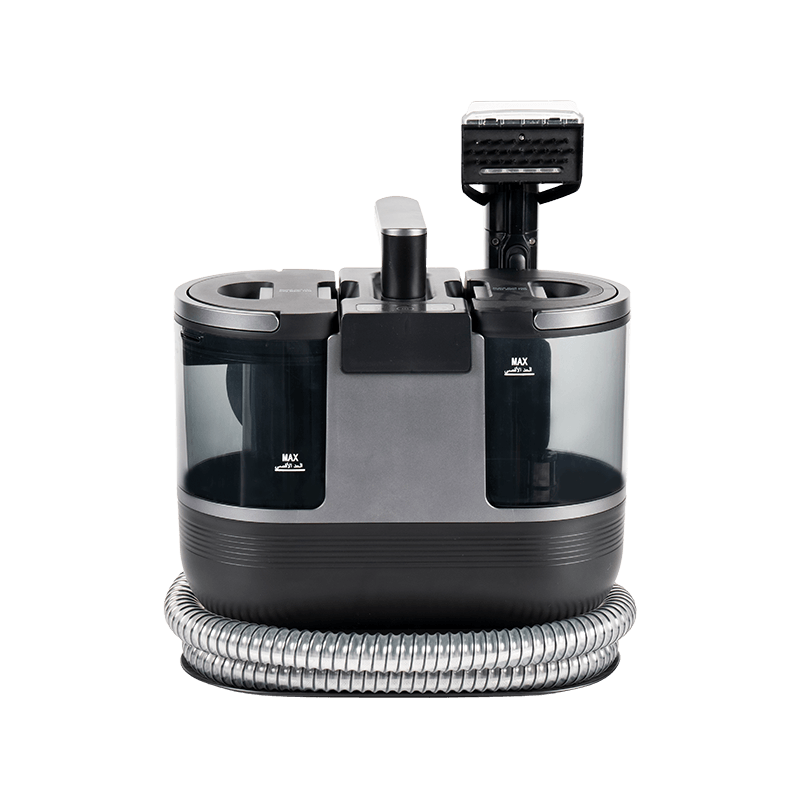 DY-506E 3-in-1 Spot and Carpet CleanerThis model combines spray, brush, and suction in one device, plus 60°C hot water and steam for stubborn stains. It's ideal for sofas, carpets, mattresses, and car seats, with detachable tanks and multiple brushes.View Product →
It combines spray, brush and suction in one device, so you can refresh the whole sofa, target a stained cushion, or even use it on mattresses and car seats. For particularly stubborn marks, a spray, wash and suction all-in-one wet and dry cleaner gives you even more control, allowing you to switch between focused spot work and a full-surface refresh.
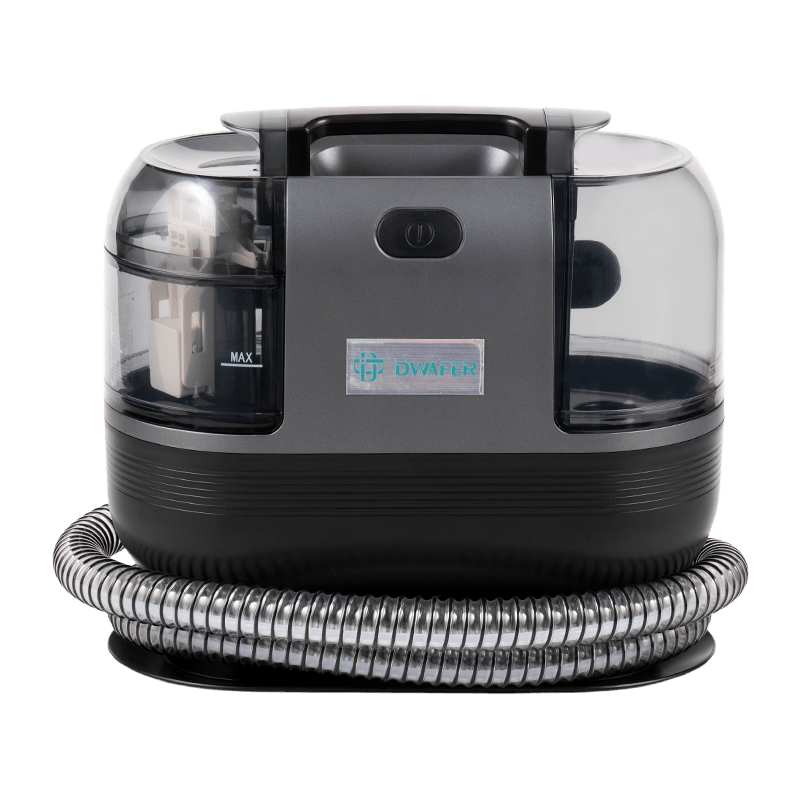 DY-503B Portable Wet/Dry CleanerA portable 3-in-1 cleaner with spray, scrubbing, and suction. It heats water to 60°C and includes a wire-winding bracket. Suitable for carpets and upholstery in household or commercial settings, with a compact 4kg design.View Product →
Whatever machine you choose, the principle is the same: work in small sections, keep the nozzle moving, and let the suction dwell a little longer on heavily stained areas. Avoid over-wetting the fabric. If a cushion looks overly damp, go over it again with suction only, using slow, deliberate passes.
The cleaning process is not finished until the sofa is thoroughly dry. Fabric that stays damp invites mildew and musty odours, so give your couch a proper drying period. Open a window, aim a fan at the upholstery, and run a dehumidifier in the room if you have one. Fluff the cushions and redistribute the filling while they are still slightly damp, and avoid using the sofa until the fabric feels completely dry to the touch.
To make future cleaning sessions easier, blot spills as soon as they happen and keep a small upholstery cleaner ready for quick touch-ups. A high-suction cold-water sofa cleaner is a gentle choice for regular maintenance, especially in homes with children or pets.
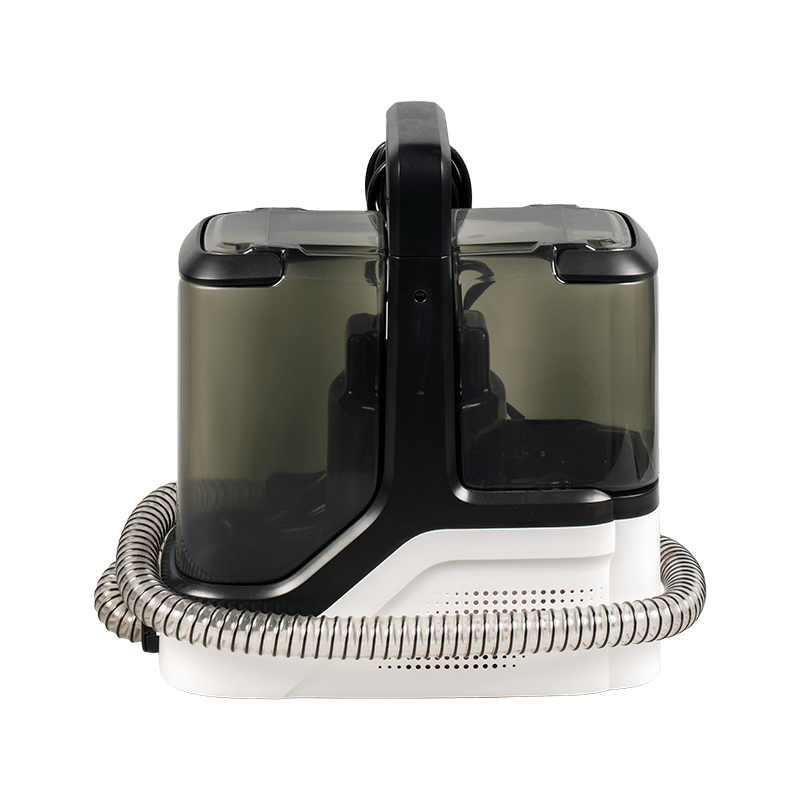 DY-510 High-Suction Cold-Water Sofa CleanerA gentle cold-water cleaner with high suction for regular upholstery maintenance. It features large tanks (2300ml/1200ml), optional self-cleaning, and low noise—perfect for homes with kids or pets for quick stain touch-ups.View Product →
It lifts fresh stains before they have a chance to set, which means you will not need a heavy-duty cleaning session as often. A quick pass every few weeks keeps the fabric looking fresh and stretches the time between deep cleans.
While most stains can be handled at home, some situations genuinely need a professional. If the fabric reacts badly to cleaning products during your hidden-area test, if the stain has soaked deep into the foam, or if the care label specifies dry-clean only, an upholstery specialist is the safer option. The same applies to delicate fabrics, antique furniture and expensive pieces where a mistake would be costly to reverse.
For everything else, a steady routine of vacuuming, prompt spot treatment and occasional machine extraction is enough to keep a couch looking its best. If you are building a complete fabric-care toolkit, take a look at the full spot and carpet cleaner range to find a model that suits your home. With the right tools and a little patience, you can confidently handle most couch stains and keep your living space comfortable for years to come.
 2025-11-12
Industry News
2025-11-12
Industry News
2025-11-12
Industry News

 [email protected]
 +86-13736068086
 No. 2, Zone 1, Hongxi Industrial Park, Chunhu Subdistrict, Fenghua District, Xian City, Shaan Xi Province, China.
 Custom Home Carpet Cleaning Machine/Appliance Manufacturers
 Previous
