


 русский
 Français
 Español
 Português
 Deutsch
 عربى

News
Home / News / Industry News / How to Clean a Rug with a Steam Cleaner: Step-by-Step Guide to Best Results
Rugs take a beating. Foot traffic grinds soil into the pile, spills leave sticky residue, and pet hair embeds itself deeper than any vacuum can reach. Steam cleaning has become a popular solution because it combines heat and moisture to dissolve what dry cleaning misses. Yet the difference between a perfectly refreshed rug and a soggy, musty one often comes down to technique. This guide explains how to clean a rug with a steam cleaner safely and effectively, from checking the fiber type to drying the backing completely.
Steam cleaning works on two levels. On the surface, high-temperature vapor loosens the film of grease and dust that makes a rug look dull. Beneath the surface, the heat neutralizes dust mites, bacteria, and mold spores that can trigger allergies in a busy home. Because the process does not rely on heavy chemicals, it suits households with children and pets that spend time on the floor.
The benefits become obvious after the first full pass. Colors appear richer, the nap stands up again, and fresh odors replace stale ones. For a closer look at how steam systems break down stubborn stains and odors, see our previous guide on steam carpet cleaning.
Not every rug should meet a steam nozzle. Manufactured rugs usually include a care label, while handmade rugs leave you to judge by fiber and construction. When there is no label, treat the rug as delicate until a test proves otherwise. A good rule is to steam only rugs that tolerate warm water: wool, cotton, and most synthetics.
| Rug Material | Safe to Steam? | Best Practice |
|---|---|---|
| Wool | Yes, with care | Keep the heat low and avoid long passes |
| Cotton | Yes | Medium to high heat is generally fine |
| Polyester / Nylon | Yes | Regular steaming without concern |
| Silk | No | Use professional dry cleaning only |
| Jute / Sisal | No | Moisture can cause shrinking and mildew |
| Viscose | No | Water often ruins the surface fibers |
Test the dye before you begin. Press a damp white cloth onto a hidden corner, then lift it away. If any color transfers, the dye is not stable and steam could leave pale blotches. Pay attention to the backing as well; if it disintegrates when scratched with a fingernail, the rug is not a candidate for moisture-based cleaning.
It is tempting to skip the vacuum step, but do not. Loose grit is abrasive once the steam softens the fibers, and pushing it deeper can scratch the backing. Dry preparation is half the job.
Once you have confirmed that your rug can handle steam, follow the steps below for an even, controlled clean.
For small area rugs and stair runners, a portable unit is easier to control than a full-size machine. The compact body lets you work on a tabletop or a step without fighting with long hoses.
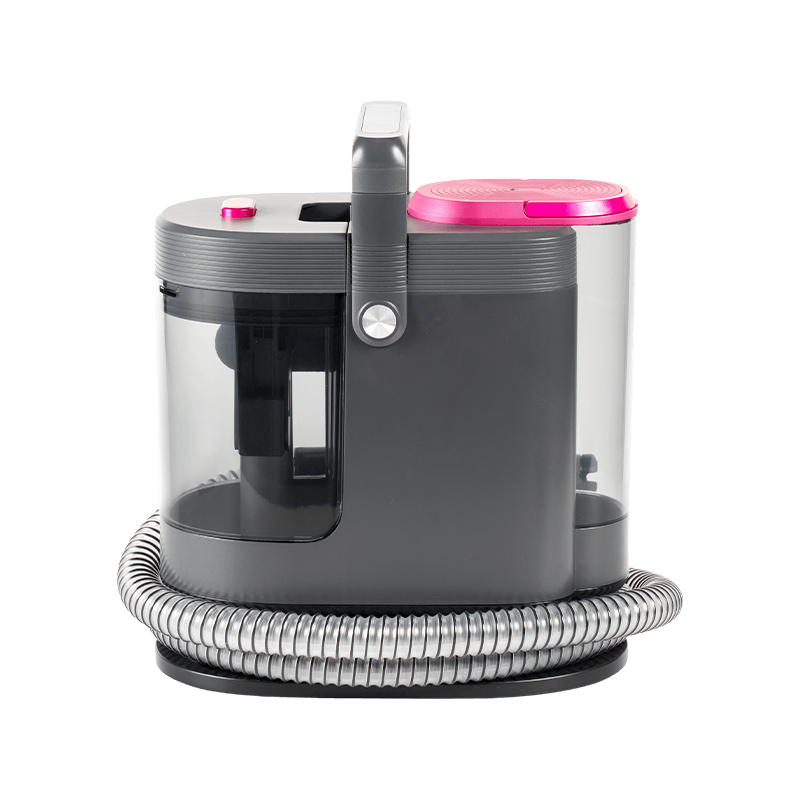 Portable 3-in-1 Steam Cleaner with Hot Water Spray and SuctionThis compact steam cleaner offers water spray, scrubbing, and suction in one unit, ideal for spot cleaning rugs and stairs where portability matters.View Product →
A standard steam pass will lift visible dirt, but high-temperature steam pushes further into the pile and reduces allergens. This matters in nurseries, pet corners, and bedrooms, where the rug is close to sleeping and playing surfaces. The steam also neutralizes the organic matter that causes persistent odors.
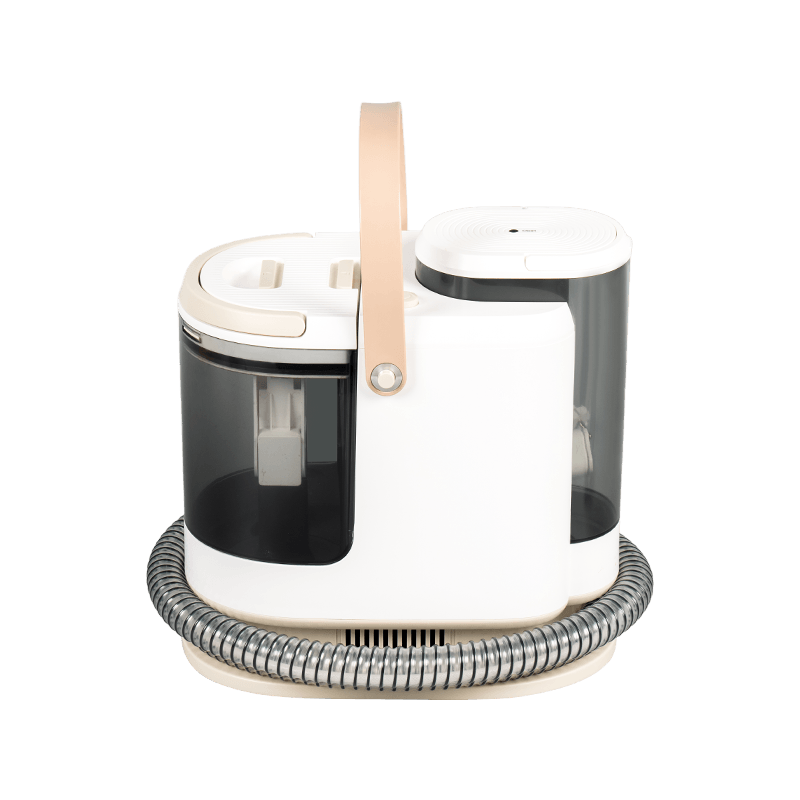 All-in-One Spot Cleaner for Carpets and Upholstery with Steam SanitizingDesigned for deep cleaning on carpets and sofas, this model combines hot water and steam to reduce allergens and tackle stubborn odors effectively.View Product →
Remember that sanitizing is a finishing step, not a substitute for preparation. The best results come from vacuuming first, steaming second, and then allowing a full drying period. Aim the nozzle so the steam follows the fibers rather than fighting against them.
The most common mistake is simply expecting instant results. Steam cleaning takes time to settle in, and the drying period is part of the process. Patience protects both the rug and the machine.
There is no universal schedule, because rugs live in different conditions. Pets, barefoot walking, and open windows all affect how quickly dirt builds. Use your vacuum as a guide: when the rug looks dull after a vacuum pass or smells musty between cleanings, it is time for steam.
| Situation | Recommended Frequency |
|---|---|
| Busy living room with pets or small children | Every 2-3 months |
| Average family household | Every 4-6 months |
| Low-traffic guest room or bedroom | Once a year |
| Home with allergy sufferers | Every 1-2 months |
Consistency matters more than perfection. A three-month schedule that is actually followed protects a rug better than an ambitious monthly plan that feels like a burden.
Two specifications decide how well a steam cleaner handles rugs: suction strength and steam control. Suction pulls the moisture back out of the pile, so higher suction reduces drying time and keeps the backing dry. Steam control lets you adjust the temperature to the fiber type, which is essential if you clean both wool and synthetic rugs in the same home.
For most households, a machine with high suction and a heated steam function covers both everyday cleaning and deeper maintenance. A model such as the high-suction steam sterilizing cleaner combines the two requirements in one unit. It is also worth checking the nozzle width, because a wide nozzle speeds large areas and a narrow one reaches edges and corners.
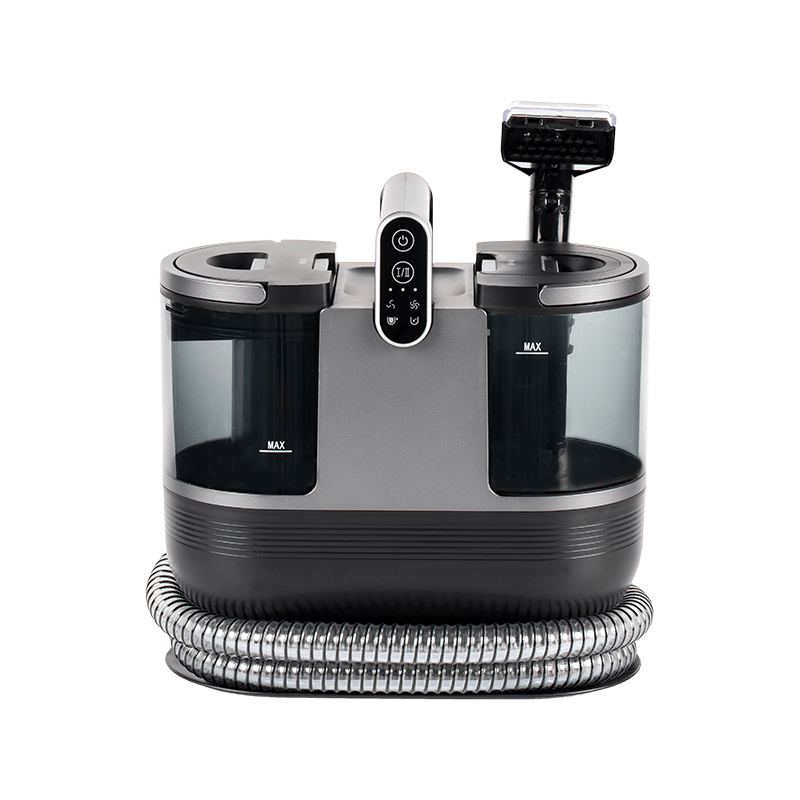 High-Suction Steam Sterilizing Cleaner with Heated FunctionsThis high-suction model pairs steam and spray extraction for versatile rug care, featuring a wide nozzle for large areas and a practical control layout.View Product →
If you plan to clean different types of rugs, or want an approach that suits spray extraction as well as steam, browse our spot and carpet cleaner range to compare functions before deciding. The right alignment between machine, nozzle, and rug type is what turns a chore into a predictable routine.
Steam cleaning does not have to be complicated. Match the method to the material, prepare the surface first, move with controlled passes, and let the rug dry fully. Whether you care for a busy family room rug or a delicate wool runner, the same principles apply: test, steam, extract, dry. With the right technique and the right equipment, a steam cleaner becomes one of the best tools a rug owner can have.
 2025-11-12
Industry News
2025-11-12
Industry News
2025-11-12
Industry News

 [email protected]
 +86-13736068086
 No. 2, Zone 1, Hongxi Industrial Park, Chunhu Subdistrict, Fenghua District, Xian City, Shaan Xi Province, China.
 Custom Home Carpet Cleaning Machine/Appliance Manufacturers
 Previous
