


 русский
 Français
 Español
 Português
 Deutsch
 عربى

News
Home / News / Industry News / How to Disinfect a Couch Safely: Fabric Codes, Steam, and Deep Cleaning Methods
Your couch has probably seen more of your day than any other piece of furniture: the coffee that tipped over on Sunday, the dog's favourite corner, the cushion your child used as a trampoline. So when someone in the house gets sick, or the sofa starts to smell a little less than fresh, it is natural to want to disinfect it properly. The good news is that you do not need a cupboard full of chemicals. You need a little patience, the right order of steps, and a realistic idea of what disinfecting fabric can and cannot do.
Before you reach for a bottle, lift a cushion and look for the care tag. Most upholstery carries a short code that tells you which liquids the fabric will tolerate. Ignoring it is the fastest way to turn a disinfecting job into a reupholstery job. We have seen water rings and colour loss that no amount of drying could undo.
The second thing to remember is that disinfectants work best on a surface that is already clean. Soil, body oils, and dried spills shield germs and can even neutralise the active ingredient. Vacuuming first is not a formality; it is half the job.
| Code | What it means | Safe approach |
|---|---|---|
| W | Water-based cleaners are allowed | Light mist of a water-based disinfectant, then blot; never soak |
| S | Solvent-based products only; water may leave rings | Solvent dry-cleaning product or a barely damp alcohol wipe, used sparingly |
| W-S | Either water or solvent is acceptable | Choose the gentler option and spot test first |
| X | Vacuum only, no liquids at all | Vacuum thoroughly; steam only if the maker allows it, otherwise call a professional |
Once you know the code, spot test on the back or underside of the couch, let it dry completely, and check for colour change or stiffness before treating the whole thing.
Here is the honest part. Most disinfectant labels were tested on hard, non-porous surfaces. Fabric is textured, absorbent, and full of hiding places, so disinfecting a couch at home is really about reducing germs to a sensible level rather than sterilising it. Within that realistic goal, a few approaches work well:
Skip the vinegar-only approach when disinfection is the goal. Vinegar is a decent deodoriser and a mild cleaner, but it is not a disinfectant. And please do not mix bleach into a homemade fabric spray: on coloured upholstery it bleaches, on some synthetics it yellows, and the fumes are unpleasant in a closed room.
Steam is our preferred option for couches that can take moisture, because it reaches into the pile of the fabric where a wipe cannot, and it flushes out the dust and oils that hold odour. Work with a low-moisture setting, keep the head moving, overlap your passes, and finish with a dry pass to pull the moisture back out. Two slow passes are almost always better than one soaking pass. Then let airflow do the rest.
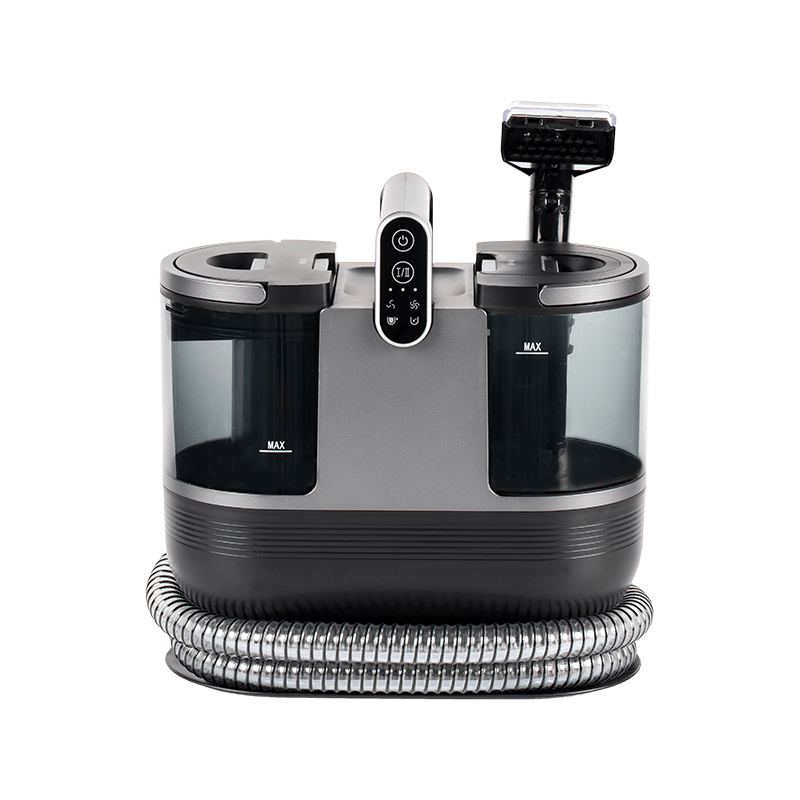 DY-506AC 3-in-1 Steam and Spot CleanerFor couches that can take moisture, this spray, scrub and suction machine adds hot water and steam with 15 kPa suction for deeper fabric cleaning.View Product →
A steam pass also lifts flattened pile, so the couch looks refreshed rather than merely cleaner. On delicate or S-coded fabrics, test a hidden corner first and keep the nozzle moving so no single spot overheats.
If there is a visible stain, deal with it before you disinfect, otherwise you are sealing a mark under a layer of product. Blot rather than rub, work from the outside of the stain inwards, use cool water for anything protein-based, and reach for an enzyme cleaner for pet accidents. A spray-wash-suction pass is the tidiest way to finish, because the suction step is what actually removes residue from the fibres instead of pushing it deeper.
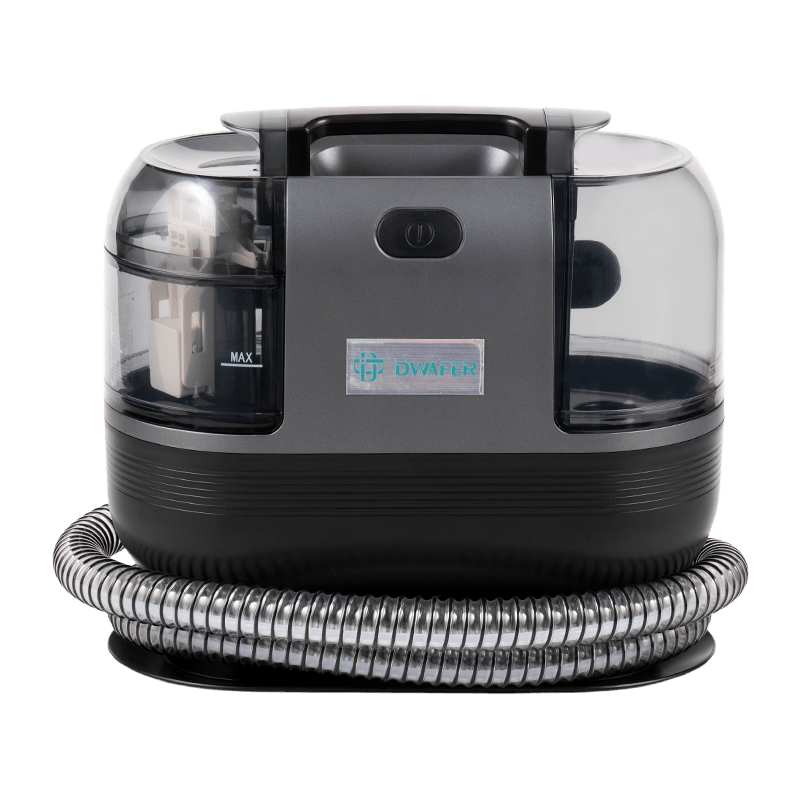 DY-503B Heated Spray, Wash and Suction CleanerA portable heated spot and carpet cleaner that combines spray, scrubbing and suction, useful for finishing stains with a residue-removing pass.View Product →
For a more detailed walkthrough of fabric types, cushion care, and odour removal, our complete guide to sofa cleaning covers the routines we recommend between deep cleans.
Disinfecting reduces germs on the surface. It does not pull out the dust, grit, and dried spills sitting at the base of the pile, and those are what keep a couch feeling tired. A quarterly deep clean with a spray-extraction machine does both jobs in one pass: solution goes in, the machine agitates, and suction takes the dirty water away.
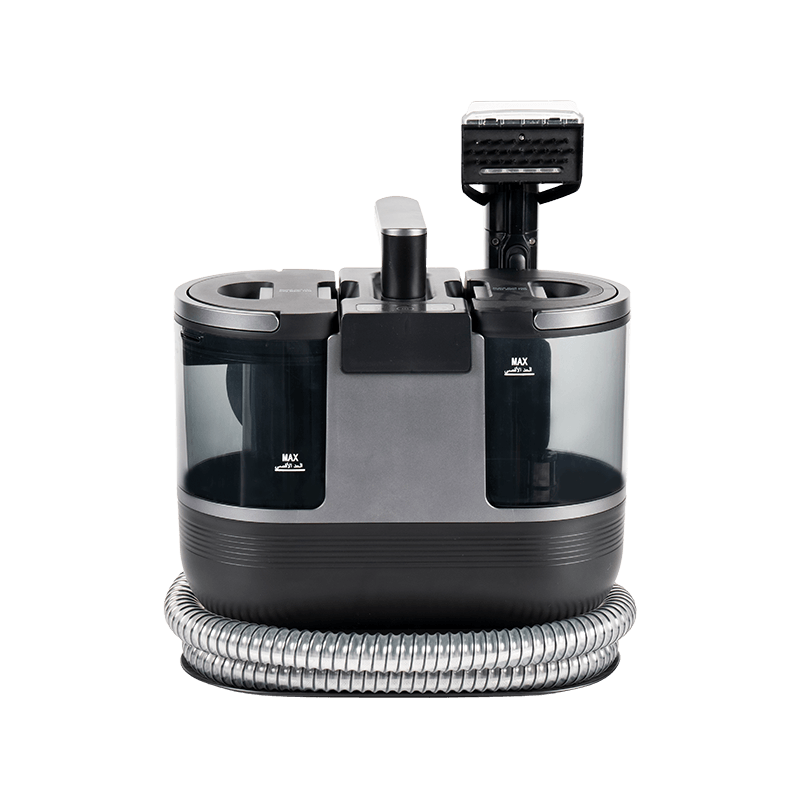 DY-506E 3-in-1 Sofa, Carpet and Mattress CleanerA spray, scrub and suction household cleaner for sofas, carpets and mattresses, with 60°C hot water and steam for periodic deep cleaning.View Product →
We build and test these machines against the same messes you have at home, from muddy paw prints to the mystery stain behind the armrest, and the lesson is always the same: match the machine to the fabric first, and to the mess second. You can browse the wider spot and carpet cleaner range if you are comparing formats.
More often is not automatically better. A sensible rhythm looks like this:
On sealed leather and W-coded fabric, a quick wipe is fine as long as you follow with a dry cloth and do not scrub. On velvet, linen, and loosely woven textiles, wipes tend to leave lint and streaks.
Ultraviolet light does affect some germs, but it does far more damage to dye and fibre. Use fresh air and shade for drying rather than treating sun as a disinfectant.
Follow the label, which is usually between three and ten minutes. If the fabric dries too quickly, reapply a light mist rather than flooding the surface.
A couch that is vacuumed often, spot treated quickly, and deep cleaned a few times a year needs very little disinfecting drama. Clean first, disinfect second, and dry everything properly, and your sofa will stay comfortable, fresh, and ready for the next spill.
 2025-11-12
Industry News
2025-11-12
Industry News
2025-11-12
Industry News

 [email protected]
 +86-13736068086
 No. 2, Zone 1, Hongxi Industrial Park, Chunhu Subdistrict, Fenghua District, Xian City, Shaan Xi Province, China.
 Custom Home Carpet Cleaning Machine/Appliance Manufacturers
 Previous
