


 русский
 Français
 Español
 Português
 Deutsch
 عربى
عربى
News
Home / News / Industry News / Portable Carpet Cleaner Machine Buying Guide: How to Choose for Home or Business
A dropped mug of tea, a child's sticky breakfast, a pet that came back from the garden with mud on its paws — these are the moments that separate a clean home from a carpet stain. A portable carpet cleaner machine is not a replacement for a deep-cleaning extractor, but it is the quickest way to treat spots before they become permanent. It sprays a cleaning solution onto the fiber, scrubs the surface with a brush, and then uses vacuum suction to pull both soil and moisture out of the backing. That combination of wetting, agitation, and extraction is what makes spot removal effective.
The name "portable carpet cleaner" is used for several types of machines: spot cleaners, upholstery extractors, handheld fabric cleaners, and mini carpet shampooers. All of them share the same principle. A clean-water tank supplies a mix of water and detergent to a nozzle positioned at the carpet surface. A pump pushes the liquid into the pile while a motorized or manual brush loosens the soil. A second tank, called the recovery tank, collects the suctioned liquid so that it can be emptied and rinsed after the job.
One distinction matters for buyers: a vacuum cleaner removes dry particles from the surface, while a carpet cleaner removes liquid, stains, and deeply embedded dirt. That is why the two machines should be used together, not against each other. Vacuuming first removes loose debris; a portable carpet cleaner then goes after the spots, spills, and traffic marks on fabric furniture.
The limits of a portable unit are equally clear. Because its water tank and suction motor are smaller than a full-sized extractor, it works best on localized areas, not entire wall-to-wall carpets. For a full room refresh, you would still use a larger extraction machine or call a professional. A portable cleaner handles the high-traffic spots, the couch, the car seat, and the mattress edge.
Most portable carpet cleaner machines look similar, but the specifications determine whether you get a reliable cleaning tool or a frustrating gadget. When comparing models, focus on six features.
| Parameter | Why It Matters |
|---|---|
| Suction (kPa / water lift) | Higher suction removes more dirty liquid and reduces drying time. Look for at least 8–12 kPa for fabric surfaces. |
| Tank capacity | Clean and recovery tanks should match. A 1–1.5 L recovery tank is fine for a sofa; 2 L is better if you clean car interiors. |
| Weight and ergonomics | 2–4 kg handles easily; 6 kg machines may need two hands. |
| Motor type | Brushless motors are quieter, last longer, and require less maintenance. |
| Heating / steam mode | Hot water at 60°C or steam at 100°C dissolves grease and kills dust mites. |
| Accessories | Crevice nozzle, stair tool, upholstery brush, and a carry handle determine where the machine can reach. |
Suction power is the most misleading spec because it is measured in different ways: kPa, air watts, or water lift in inches. For a compact machine, compare kPa when possible. A typical 10–15 kPa unit is enough to extract moisture from medium-pile carpet. If the machine is also used on mattress pads, choose a model with a higher suction rating and a shorter air path through the hose.
Cold-water units are usually the most affordable and the easiest to maintain, but greasy and sticky stains respond better to heat. Hot-water and steam versions raise the liquid temperature before it reaches the nozzle, which helps break down oil and bacteria. If you are sourcing for a brand, the temperature range and control system are good differentiators.
Tank access is another practical point. The recovery tank should open wide enough for you to rinse out fibers and debris. Some tanks have a one-piece lid that makes cleaning simpler than a multi-part assembly. Look for this detail during a sample test.
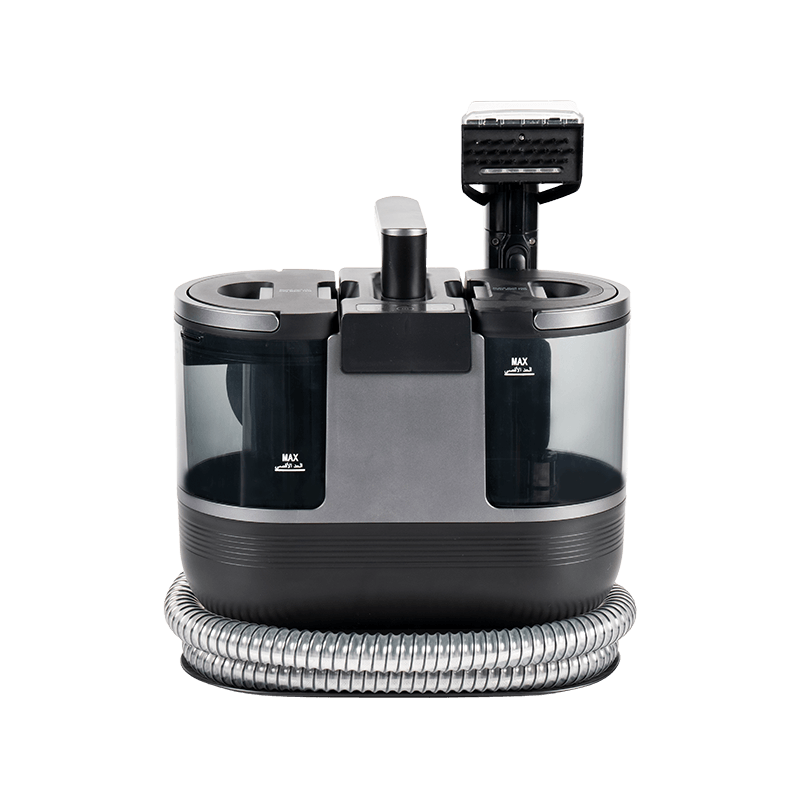 DY-506E 3-in-1 Portable Carpet and Upholstery CleanerThis lightweight portable cleaner suits tight spots like stairs and car mats, with heated water and steam for stubborn stains. Its detachable tank lids simplify rinsing.View Product →
Full-sized carpet extraction machines shine on open floors, but they are heavy and difficult to move. A portable carpet cleaner machine is the better tool for the finished spaces where people actually sit and walk. Stairs, upholstered sofa arms, mattresses, car floor mats, and pet beds are all locations where a large machine cannot go or becomes inconvenient.
Portability also matters for speed. If you spot a juice spill on the sofa, you want the machine within arm's reach. A compact model kept in a closet or on a shelf can be set up in about a minute. With a full-sized extractor, you would need to fill large tanks, extend a long hose, and carry the machine through the house. That extra time gives the stain time to set.
Vehicle cleaning is another clear case. Car interiors have tight corners, seat edges, and fabric panels that benefit from a narrow nozzle and a lightweight body. Some portable models are marketed specifically for both home and automotive use, and the best ones offer a long enough power cord or battery operation to move around the car without a generator.
The technique for using a portable machine on furniture is similar to the one described in our guide to cleaning a fabric sofa, so you can apply the same working order on most textile surfaces.
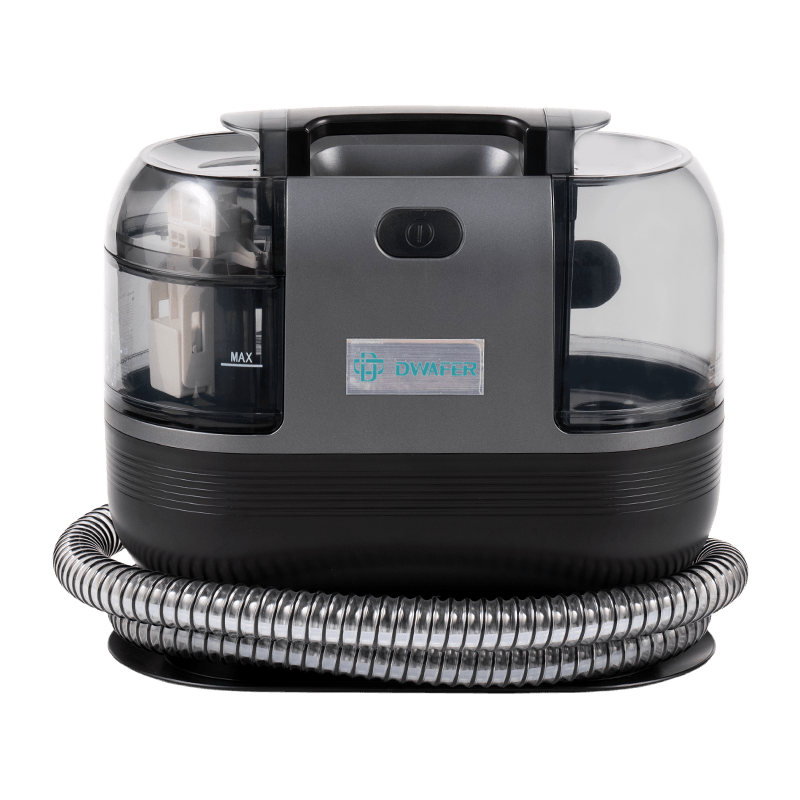 DY-503B Heated Wet-Dry All-in-One Spot CleanerFor buyers evaluating a manufacturer, this model offers strong suction, heated cleaning, and a cord wrap. Its compact size suits furniture and upholstery care.View Product →
For most private-label or wholesale buyers, the decision is as much about the factory as the machine. A portable carpet cleaner manufacturer must prove it can deliver consistent quality, hold the right certifications, and adapt the product to your market. The product design on a spec sheet is only one part of the evaluation.
Check that the supplier offers customization without compromising the core suction system. Tank color, brand labeling, cable length, nozzle style, packaging carton, and user manual translation are typical customization points. A mature factory should also allow a customized colorway for the housing, not just a sticker on the side.
Certifications matter because they protect you at customs and in the market. For a portable carpet cleaner intended for Europe, look for CE and ROHS; for North America, ETL or UL; for Australia, RCM; for global retail, REACH compliance for materials. Ask for copies of test reports before signing a purchase order, not after.
Finally, examine the after-sales side. A spare motor, one or two spare nozzles, and a stocking of recovery tank lids in your warehouse can save you from returning an entire container. Good factories also provide service documentation and technical support for importers.
If you are just starting, browse the main product page to compare portable and spot cleaner options side by side; that will help you decide what configuration fits your catalogue.
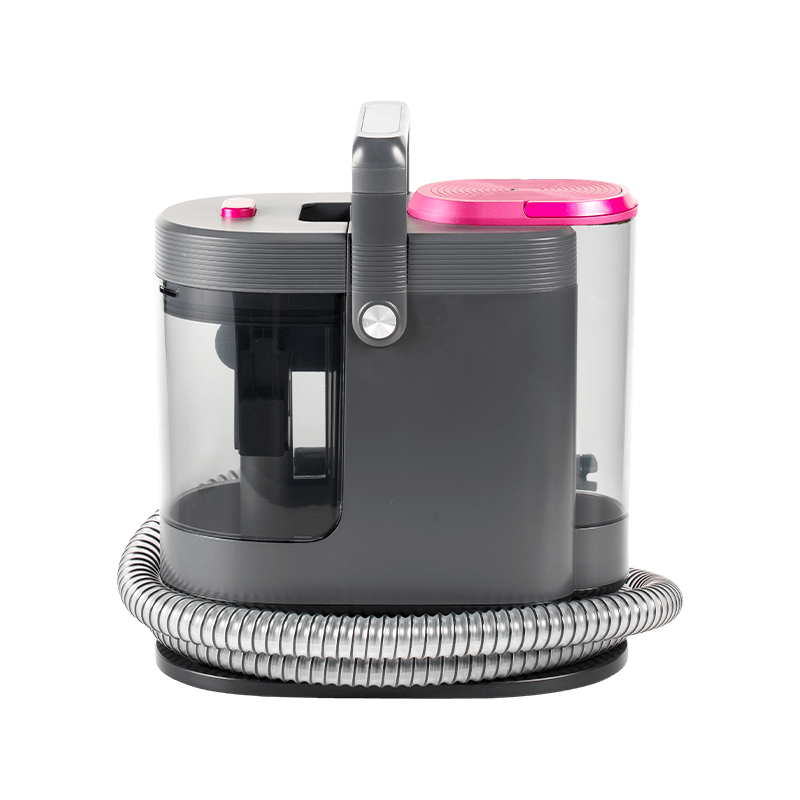 DY-508AC Portable Steam and Spray CleanerA customizable option for starting a product line, this cleaner combines spray, scrubbing, and steam with large tanks and a 15-second heat-up for versatile use.View Product →
Use this checklist to narrow down the options and present clear requirements to a supplier.
A portable machine with a reliable motor and a properly sealed recovery tank will give years of service. The extra money is worth spending on suction and build quality, not on unnecessary electronics that may break in wet conditions.
Choose a portable carpet cleaner machine that fits the way you actually clean. If you are a homeowner, a lightweight model with a small footprint is usually enough. If you are a buyer or brand owner, make durability and compliance the top priorities. Either way, the machine must do one thing well: remove a spot without leaving a damp, sticky layer behind.
 2025-11-12
Industry News
2025-11-12
Industry News
2025-11-12
Industry News
2025-11-12
Industry News
2025-11-12
Industry News
2025-11-12
Industry News

 [email protected]
  +86-13736068086
  No. 2, Zone 1, Hongxi Industrial Park, Chunhu Subdistrict, Fenghua District, Xian City, Shaan Xi Province, China.
  Custom Home Carpet Cleaning Machine/Appliance Manufacturers
 Previous