


 русский
 Français
 Español
 Português
 Deutsch
 عربى
عربى
News
Home / News / Industry News / How to Use a Carpet Cleaner: Step-by-Step Guide for Beginners & Best Practices
You have a carpet cleaner ready to go, but you are not entirely sure where to start. The machine itself looks straightforward—a tank for water, a trigger for spray, and a suction head—but the difference between a job well done and a wet, smelly carpet often comes down to the steps you take before you press the button. Here is the short answer: you vacuum first, pre-treat stains, mix the correct solution-to-water ratio, work in overlapping passes without oversaturating, and then extract thoroughly before letting the carpet dry completely. Every step after that is about technique and avoiding the common mistakes that leave detergent residue or encourage mold growth.
A carpet cleaner is only as good as the method behind it. Even a high-end unit will leave your carpets feeling stiff and sticky if you use too much detergent or move too quickly. Conversely, a basic model can deliver deep-cleaning results when you respect the machine's limitations and follow a logical sequence. The goal is not just to make the carpet look clean but to remove embedded dirt, allergens, and bacteria without soaking the backing and padding underneath. Over-wetting is the number-one cause of carpet damage during home cleaning, so your primary focus throughout the process should be on controlled moisture and effective extraction.
Preparation determines 80% of the final outcome. Start by moving all furniture off the carpet area. If that is not possible, place plastic or aluminum foil under the legs of heavy pieces to prevent rust stains while the carpet dries. Then, vacuum the entire carpet thoroughly with a dry vacuum cleaner. This removes loose dirt, pet hair, and surface debris that would otherwise turn into mud when combined with the cleaning solution. Pay special attention to high-traffic zones and corners.
For set-in spots such as wine, coffee, or pet accidents, apply a spot treatment or a small amount of undiluted carpet cleaner directly to the stain. Let it sit for five to ten minutes. Do not scrub aggressively—blotting with a clean cloth is more effective and prevents the stain from spreading deeper into the fibers.
| Solution Type | Best For | Dilution Ratio | Residue Risk |
|---|---|---|---|
| General-purpose formula | Routine maintenance, light to moderate soil | As per manufacturer label (usually 1:32) | Low when extracted properly |
| Enzymatic cleaner | Pet stains, organic odors | Usually ready-to-use or 1:16 | Low |
| Hot water extraction detergent | Deep cleaning, heavy dirt, HVAC-return areas | Typically 1:32 or 1:64 | Moderate—requires thorough rinse |
| Low-foam or preservative cleaner | Wool or delicate synthetic blends | Follow fiber-specific recommendation | Very low |
Always use a solution designed for carpet cleaning machines. Household detergents, laundry soap, or dish soap create excessive foam that can damage your machine's motor and leave residue that attracts dirt faster. Stick to the dilution ratio recommended by the manufacturer.
Fill the clean-water tank with hot tap water—not boiling—mixing in the appropriate amount of cleaning solution. Most portable carpet cleaners have a separate tank for the solution or a mixing chamber in the main tank. If your model allows, add hot water because it helps dissolve greasy dirt more effectively than cold water. Secure the tank firmly and make sure the dirty-water tank is empty and properly seated. A loose or misaligned tank will cause suction loss and leaking.
Starting in the farthest corner of the room and working backward toward the door ensures you do not walk over wet carpet later. Press the trigger to spray solution onto the carpet as you pull the machine toward you. Release the trigger and push the machine forward over the same area to suck up the liquid. The key is to move slowly—about one foot per two seconds. Fast passes leave excess moisture behind.
For hallways, entryways, and areas near furniture, you may need a second pass with solution. However, do not oversaturate. Instead, spray a lighter amount and focus on scrubbing with the machine's brush head. Many modern 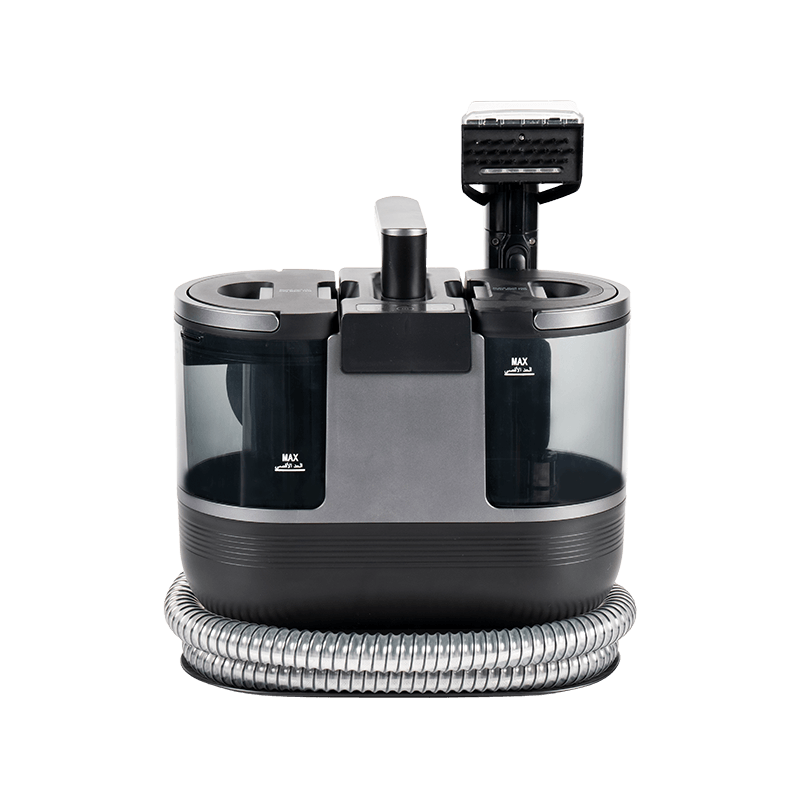 DY-506E 3-in-1 Hot Water Steam Carpet and Sofa CleanerFor areas near furniture needing extra scrubbing, this model's 60℃ hot water and steam help loosen embedded soil without over-wetting, and its three brushes adapt to carpets, sofas, and mattresses.View Product → include a brush roll or agitation bar that helps lift embedded soil without requiring extra liquid.
After cleaning the entire carpet, drain the dirty-water tank immediately to prevent odors and bacteria growth. Then, go over the entire area once more with the cleaner set to suction-only mode (no spray). This final pass can remove up to 30% more moisture. The goal is to leave the carpet feeling damp, not soaked.
Knowing what not to do is as important as following the steps above. Three errors appear repeatedly in home cleaning forums and professional advice columns.
The most frequent mistake is pressing the trigger too long or moving too fast, which saturates the backing and padding. Moisture trapped underneath is a breeding ground for mold and can cause delamination of the carpet layers.
More soap does not mean a cleaner carpet. Excess solution leaves a sticky residue that attracts dirt almost immediately after drying. Stick to the recommended amount, and if you see suds forming in the dirty-water tank, cut back on solution and use hotter water.
Running a carpet cleaner over un-vacuumed carpet is like mopping a dusty floor—you are just pushing dirt around. Always vacuum first, even if the carpet looks clean.
After each use, rinse the clean-water tank, empty and rinse the dirty-water tank, and remove any hair or debris from the brush roll. A clogged machine not only performs poorly but can also blow dirty water back onto your carpet.
If you frequently clean carpets in a home with pets, children, or allergy sufferers, consider using a machine that offers a steam or hot-water option. A 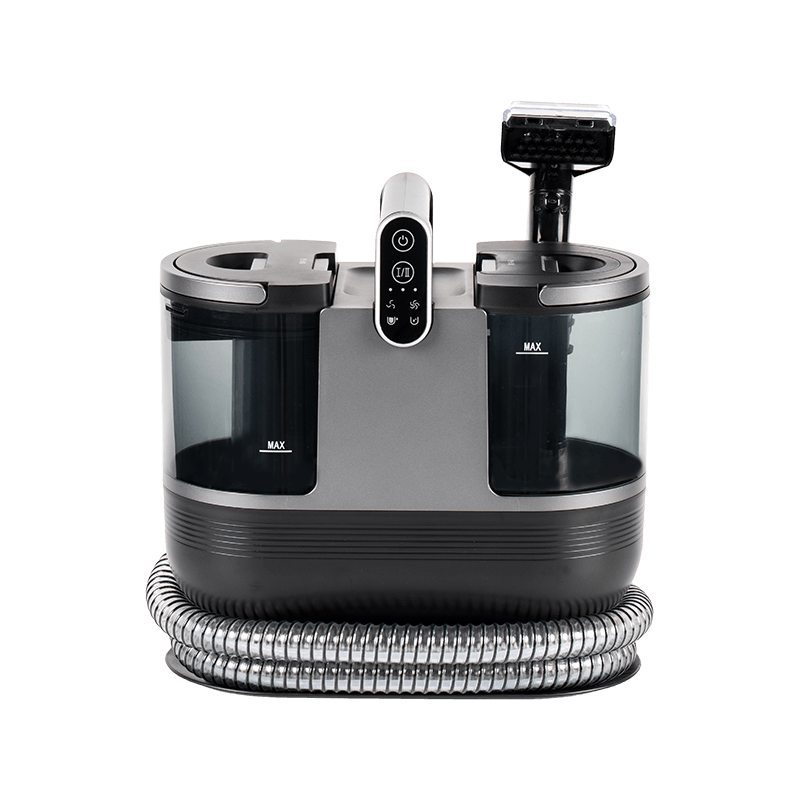 DY-506AC High-Suction Steam Sterilizing CleanerIdeal for homes with pets or allergies, this cleaner uses 100℃ steam to kill dust mites and bacteria, while its high suction and multiple brushes ensure thorough extraction from carpets and sofas.View Product → can kill dust mites and bacteria without the need for harsh chemicals. For living rooms and sofas where liquid spills are common, an all-in-one
 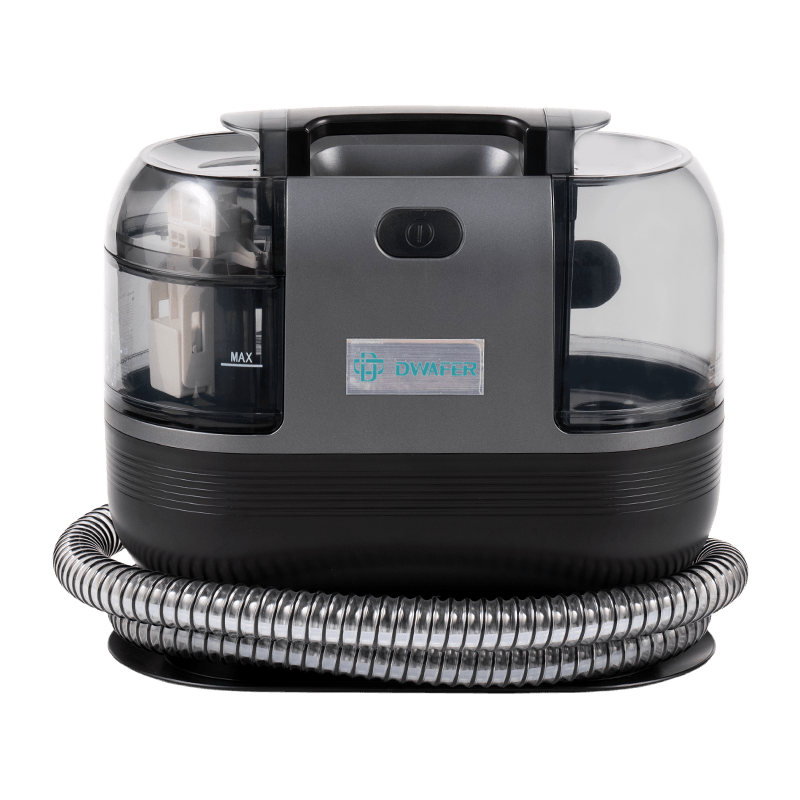 DY-503B Heated All-in-One Wet and Dry Carpet CleanerWith a heated 60°C spray and 15Kpa suction, this 3-in-1 portable cleaner handles light oversaturation areas by effectively removing moisture and embedded dirt, plus a cord bracket for tidy storage.View Product → provides the convenience of switching between wet and dry modes without stopping.
The core technique remains the same regardless of the machine's features. Spray lightly, extract thoroughly, and dry quickly. Whether you are cleaning wall-to-wall nylon carpet in a high-traffic hallway or a delicate wool rug under a coffee table, the principles of controlled moisture and patient overlapping passes are what separate a professional finish from a disappointing one.
Using a carpet cleaner is not complicated once you internalize the sequence: vacuum, pre-treat, mix properly, spray and extract in slow overlapping passes, finish with a dry run, and let the carpet dry completely. The most expensive machine will disappoint if you rush the process, and a basic model will impress if you master the basics. Focus on moisture management above all else, and your carpets will not only look clean but will stay fresh longer between deep cleans. If you are in the market for a reliable carpet cleaning machine, look for models that combine strong suction with a large dirty-water tank and easy-to-clear brush rolls. The right tool makes a difference, but the right method makes the tool work.
 2025-11-12
Industry News
2025-11-12
Industry News
2025-11-12
Industry News
2025-11-12
Industry News
2025-11-12
Industry News
2025-11-12
Industry News

 [email protected]
  +86-13736068086
  No. 2, Zone 1, Hongxi Industrial Park, Chunhu Subdistrict, Fenghua District, Xian City, Shaan Xi Province, China.
  Custom Home Carpet Cleaning Machine/Appliance Manufacturers
 Previous