


 русский
 Français
 Español
 Português
 Deutsch
 عربى
عربى
News
Home / News / Industry News / How Does Professional Carpet Cleaning Work? Methods, Equipment, and Process Explained
Professional carpet cleaning is more than a deeper vacuum. It is a carefully controlled process that combines chemical action, mechanical agitation, and powered extraction to remove soil that has become embedded in carpet fibers. From the manufacturer's perspective, we see these systems every day: the machines, the methods, and the results they deliver in homes and commercial spaces.
Everyday vacuuming picks up dry dust and debris from the surface, but it cannot break the oily film that binds particles deep in the pile. Professional cleaning works because it attacks that film on three fronts. First, a cleaning chemistry loosens the bond between soil and fiber. Second, agitation works the solution through the carpet. Finally, a powerful extraction machine removes the dissolved dirt along with the moisture. The result is a carpet that looks cleaner, feels softer, and has fewer trapped allergens. If you want to see what this level of cleaning can do, read about how professional carpet cleaning can transform your space.
Professionals choose a method based on the carpet fiber, the level of soiling, and how quickly the space needs to be used again. These are the five approaches you will encounter most often.
| Method | Best Use | Typical Drying Time |
|---|---|---|
| Hot water extraction | Deep cleaning, allergen removal, heavy soil | 4-12 hours |
| Dry carpet cleaning | Delicate fibers, quick turnaround | 1-2 hours |
| Carpet shampooing | Heavily soiled commercial carpets | 6-12 hours |
| Bonnet cleaning | Surface maintenance between deep cleans | 1-2 hours |
| Encapsulation | High-traffic commercial areas | 1-2 hours |
Hot water extraction is the method most carpet professionals use for deep cleaning. A machine sprays hot water mixed with cleaning solution into the pile, then instantly pulls the liquid back out with strong suction. This combination of heat, chemistry, and vacuum action removes embedded dirt and rinses carpet fibers thoroughly. Although it is often called steam cleaning, the process relies on hot water rather than steam.
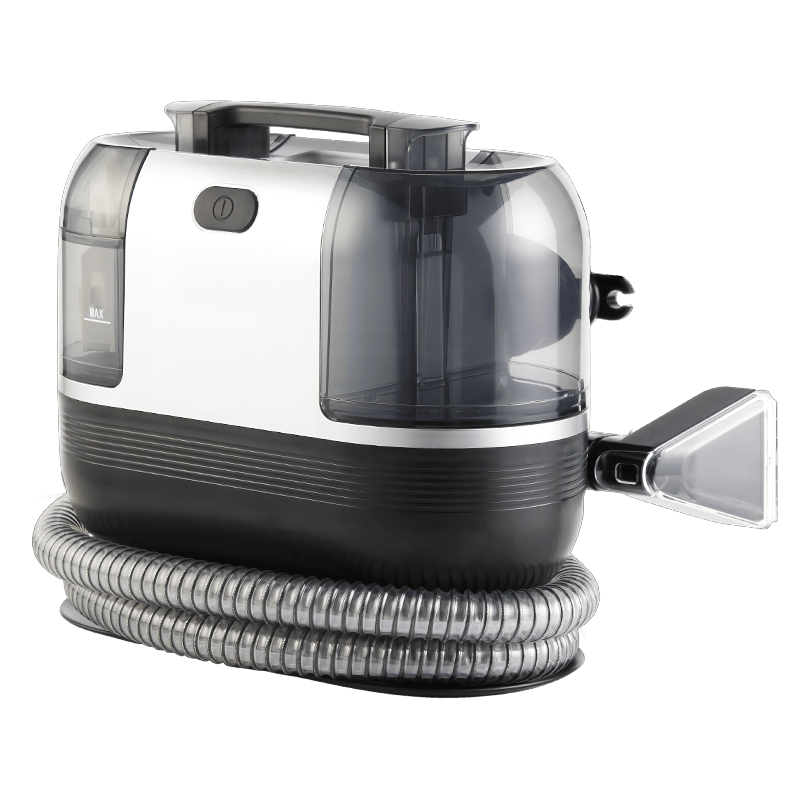 DY-503AC Hot Water Multi-Functional Integrated CleanerThe DY-503AC portable cleaner, with a classic style, integrates water spray, scrubbing, and sewage suction. It has a 1250ml clean water tank and a 750ml dirty water ta...View Product →
For homeowners who want this kind of performance in a compact machine, a hot-water carpet cleaner brings the extraction principle into a portable format.
Dry cleaning uses a slightly damp powder or absorbent compound that is brushed into the carpet. The material captures soil particles, and after a short wait it is vacuumed away. Because the carpet never becomes saturated, drying time is short and the risk of fiber damage is low.
Shampooing involves a rotary brush that works a foamy detergent into the pile. The foam surrounds dirt and holds it until the residue is vacuumed up. Shampooing can handle heavy commercial soil, but the carpet must be rinsed thoroughly to prevent sticky detergent buildup.
Bonnet cleaning uses a rotating absorbent pad soaked in a solvent. The pad contacts the upper part of the carpet fibers and lifts surface dirt away. It is a quick maintenance technique, not a deep clean, and works best in offices, hotels, and other high-traffic spaces.
Encapsulation applies synthetic detergents that form crystal-like polymers around dirt particles. Once the solution dries, the crystallized soil can be removed with a vacuum. This low-moisture method is popular for commercial carpets that need regular cleaning without long downtime.
Every professional cleaning job follows a logical sequence. Understanding it helps you know what to expect and how to prepare your home.
Many of these steps can be handled at home with a portable spray-and-extract machine, especially for spot cleaning on sofas, stairs, and mattresses.
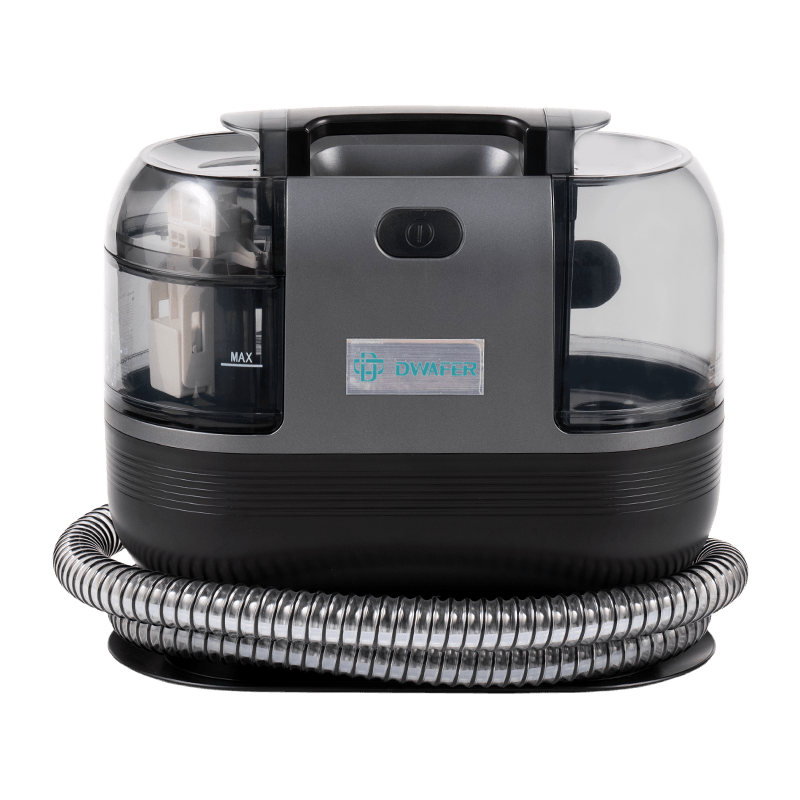 DY-503B Spray, Wash and Suction All-in-One Wet and Dry CleanerDY-503B (Heated Version) portable cleaner boasts 3-in-1 functions of water spray, scrubbing, and sewage suction. It has a 1200W power, 1250ml clean water tank, 750ml d...View Product →
The advantage of a spray-wash-and-suction cleaner is that the pump, brush, and vacuum work together in one pass, which is exactly how professional extraction achieves such consistent results.
Professional results depend on the machine's ability to deliver consistent suction, controlled water temperature, and enough pressure to work the solution into the pile. Truck-mounted systems offer the highest output and are best for large installations. Portable machines are more flexible and can be used for apartments, upholstery, and cars. In our work as a manufacturer, we design machines to match both professional and maintenance cleaning needs. You can review our carpet and upholstery cleaning machines to compare the options.
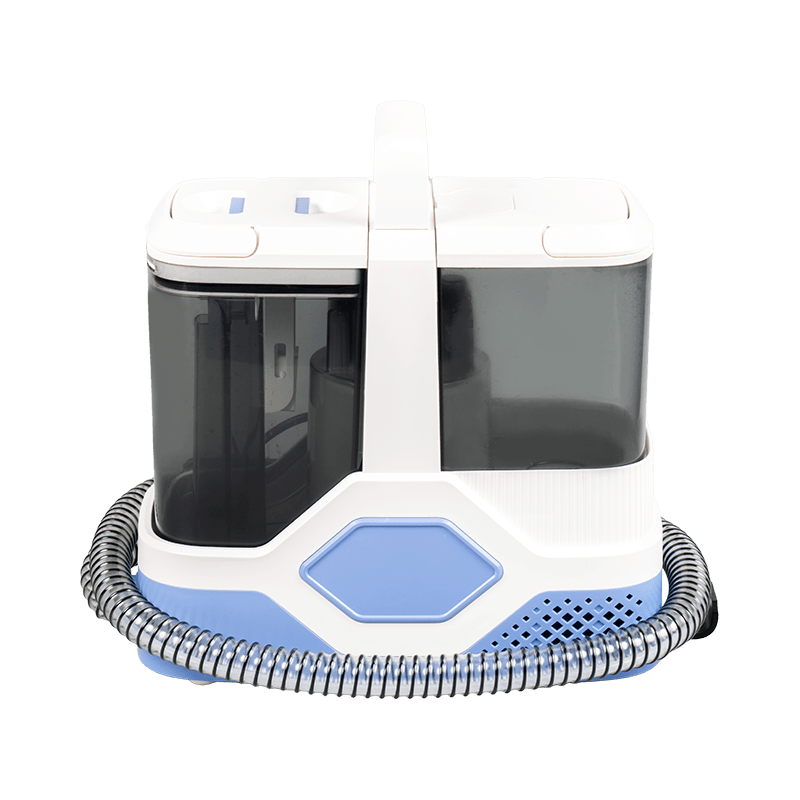 DY-511 Professional Cold-Water Carpet and Sofa CleanerThe DY-511 spot cleaner for upholstery stain removal easily removes a variety of stains from upholstered furniture, including sofas, chairs, and car seats. Its optiona...View Product →
For lighter soiling or routine care, a cold-water extraction unit with high suction is often the right choice. It uses less energy, dries faster, and still removes a meaningful amount of dirt from carpet and sofa fibers.
The active cleaning time is usually shorter than people expect, but drying time should not be rushed. A single room can be cleaned in 15 to 30 minutes; a full house may take one to two hours. Hot water extraction can leave carpets damp for 4 to 12 hours, depending on humidity, airflow, and carpet thickness. Low-moisture methods such as encapsulation and dry cleaning can be ready in about an hour, making them popular for commercial spaces and busy households.
Between deep cleans, regular maintenance reduces the load on professional equipment and keeps carpets looking better. Vacuum high-traffic areas at least twice a week, blot spills immediately with a clean cloth, and avoid rubbing stains deeper into the pile. For spots that appear before your next professional appointment, a portable spot extractor is a practical tool to have on hand. Acting quickly often prevents a stain from becoming permanent.
Professional carpet cleaning works because it combines the right chemicals, the right agitation, and the right extraction machine. Whether you hire a professional service or maintain carpets yourself, the same principles apply: loosen the soil, suspend it in solution, and remove it completely. This approach protects the carpet, improves the indoor environment, and delivers visibly cleaner results with every pass.
 2025-11-12
Industry News
2025-11-12
Industry News
2025-11-12
Industry News
2025-11-12
Industry News
2025-11-12
Industry News
2025-11-12
Industry News

 [email protected]
  +86-13736068086
  No. 2, Zone 1, Hongxi Industrial Park, Chunhu Subdistrict, Fenghua District, Xian City, Shaan Xi Province, China.
  Custom Home Carpet Cleaning Machine/Appliance Manufacturers
 Previous