


 русский
 Français
 Español
 Português
 Deutsch
 عربى

News
Home / News / Industry News / How to Clean Pee Off a Bed: A Step-by-Step Mattress Urine Removal Guide
It usually happens at the worst possible hour. Someone small has a bad night, an older pet misjudges the distance, or a guest wakes up apologising. You strip the sheets, and there it is — a damp patch on the mattress itself. Take a breath. We build cleaning machines for a living, and we have spent a lot of time around the kind of messes that soak into fabric. The good news is that pee on a bed is one of the most solvable stains there is, provided you treat it as a two-part problem rather than a quick wipe.
Urine is mostly water, but the part that matters is what stays behind after the water leaves. Urea and uric acid salts sit inside the foam, and they crystallise as they dry. That is why a mattress can smell perfectly fine at noon and then strange again on a humid evening — moisture in the air re-activates those crystals and the smell comes back to say hello.
So the goal is not just to remove the visible mark. It is to dilute and lift the salts out of the padding, then dry the whole area fast and thoroughly. Skip the second half and you will be dealing with the same patch in three weeks.
Nothing on this list is exotic, and most of it is already in a kitchen cupboard.
Work in a room with an open window. You will be creating a fair amount of damp air, and moving it out matters more than any single product on the list.
The sequence below works for a fresh accident — anything within the last couple of hours. Older stains get a slightly different treatment further down.
Remove every layer: sheets, protector, pillowcases. Then press a dry towel into the mattress with your body weight and hold it for thirty seconds. Repeat with fresh towels until the towel stops drawing moisture. Rubbing spreads the liquid sideways into clean foam, which turns a small patch into a large one.
Lightly mist the area with cold water, blot again, and repeat two or three times. You are not soaking the mattress — you are giving the remaining urine something to dilute into so it can be drawn back out. Cold matters here: warm water can set the proteins in urine the same way it sets blood.
Mix equal parts distilled white vinegar and cold water in a spray bottle. Mist the patch lightly, let it sit for five to ten minutes, then blot firmly. Vinegar is acidic enough to break the bond the salts hold on the fibres without attacking most mattress covers. Do not flood the area; a light, even mist is all you need.
Enzyme cleaners are the quiet heroes of urine removal. They use biological enzymes to break down the urea and uric acid rather than masking them. Apply according to the label, give it the full dwell time, then blot. If the smell is still faintly there after drying, this is the step to repeat — not the vinegar.
This is where most people underdo it. Sprinkle a thin layer of baking soda over the damp patch, leave it for several hours or overnight, then vacuum it up. The powder pulls residual moisture and odour with it. A wet-and-dry extraction machine does the same job in minutes rather than hours, which is worth knowing if you clean fabric often.
Stand the mattress on its edge if you can, aim a fan at it, and let air move across both sides. Give it six to eight hours minimum, longer in winter or in a humid climate. Resist the urge to remake the bed early. Trapped moisture is what turns one accident into a permanent smell.
If the patch has been there for days, rehydrate before you do anything else. Mist it with cold water, cover it with a damp towel for ten minutes, and let the dried salts soften. Then go straight to the enzyme cleaner and give it a much longer dwell time — several hours is not unreasonable. Repeat the cycle the next day if the smell returns when the room warms up.
A hydrogen peroxide and dish soap mix is a popular option for stubborn yellowing, but please patch-test it on a hidden corner first. Peroxide is a mild bleaching agent and it can lighten dark fabrics or leave a mark on memory foam covers. Vinegar and enzymes will handle most situations without that risk.
| Situation | First move | Main treatment | Drying time |
|---|---|---|---|
| Fresh accident, still wet | Blot with body weight | Cold water flush, then vinegar | 6-8 hours with airflow |
| Dried stain, faint smell | Rehydrate with a damp towel | Enzyme cleaner, long dwell | 8 hours, ideally overnight |
| Old smell that returns | Identify the true centre | Repeat enzyme cycle twice | Full day, both sides |
| Large saturated area | Stop adding liquid | Extraction machine or pro service | 12-24 hours |
Towels can only pull moisture upward from the surface. A machine that sprays clean water into the fibre and immediately vacuums it back out reaches the layer where the salts are sitting, and it removes the dirty water in the same pass instead of leaving it to evaporate back into the room. That single difference is why a spill that has been properly extracted dries faster and smells cleaner afterwards.
We make compact spot and carpet cleaners for exactly this kind of work — small enough to store in a cupboard, sized for mattresses, sofas and car seats rather than whole floors. If you would like to see how these units are configured, our spot and carpet cleaner range is a reasonable starting point.
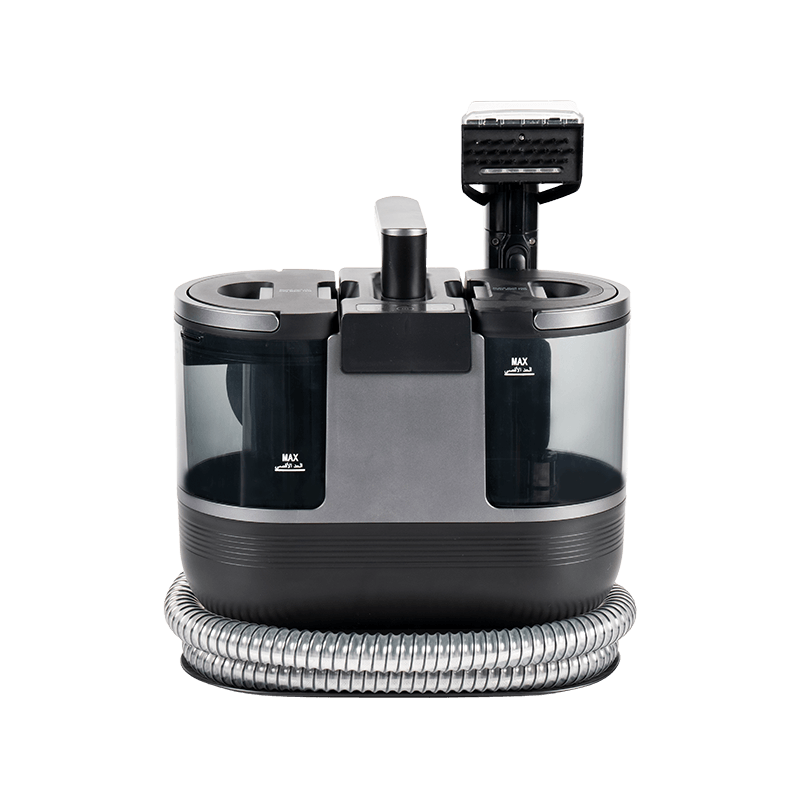 DY-506E Sofa, Carpet and Mattress Spot CleanerA 3-in-1 spray, scrub and suction unit with 60°C hot water and steam for sofas, carpets and mattresses.View Product →
The mattress gets the attention, but urine travels. Pillows, mattress toppers, the upholstered headboard, and the fabric on a bed frame base can all hold a smell that keeps the whole room feeling stale. Wash what fits in the machine on a cool cycle with an enzyme detergent, and hang it outside if the weather allows — sunlight is a surprisingly effective deodoriser.
For the headboard, the base fabric and any upholstered furniture nearby, a handheld unit with a small nozzle is far easier to control than a full-size machine. Something like the
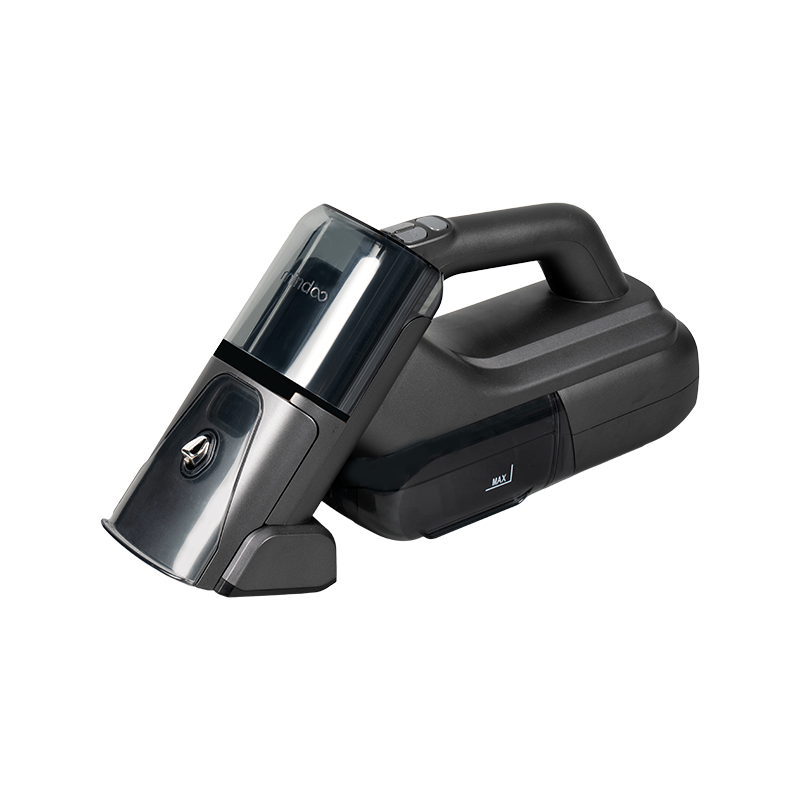 DY-505 Cordless Handheld Upholstery Spot CleanerA compact cordless 3-in-1 spray, scrub and suction cleaner with dual tanks for headboards and upholstered furniture.View Product →
works through a patch on a headboard without drenching it. Keep the same rule as before: light mist, firm extraction, thorough drying.
Most repeat accidents come down to preparation rather than luck. A waterproof mattress protector with a breathable membrane is the single highest-value purchase here, and it is much cheaper than a new mattress. Layer it under a washable quilted pad so a small leak never reaches the foam.
If the accidents are coming from a pet or a toddler, keep a small kit ready — gloves, a spray bottle of vinegar solution, a towel and a bottle of enzyme cleaner — so the response time drops from twenty minutes to two. Households with animals face this often enough that it is worth choosing equipment with the right nozzle and tank size from the start; our article on choosing a cleaning appliance for a pet household covers that decision in more detail. Deep-clean the mattress every few months rather than only after accidents, and the whole room will feel fresher.
Be honest about the limits. If the padding has been soaked repeatedly, if the smell returns within a day of every cleaning attempt, or if the underside of the mattress is affected, the foam core has likely absorbed more than surface cleaning can reach. Visible mould, a persistent damp feel, or a sagging area around the stain are all signs to stop investing time and start shopping.
For a single recent accident on a mattress in good condition, though, patience and a proper dry will get you almost all the way back. Blot, flush, neutralise, extract, dry — in that order, every time.
It is a stressful thing to discover at 2 a.m., and it is easy to panic-clean a mattress into a worse state. Slow down, work in the sequence above, and give the drying stage the time it deserves. That is the difference between a story you tell later and a smell you live with.
 2025-11-12
Industry News
2025-11-12
Industry News
2025-11-12
Industry News

 [email protected]
 +86-13736068086
 No. 2, Zone 1, Hongxi Industrial Park, Chunhu Subdistrict, Fenghua District, Xian City, Shaan Xi Province, China.
 Custom Home Carpet Cleaning Machine/Appliance Manufacturers
 Previous
